<span style = "text-align: left; display:block">FAQs</span>
<span class="h7" style = "text-align: left; display:block">What wood products does Olam Agri supply?</span>
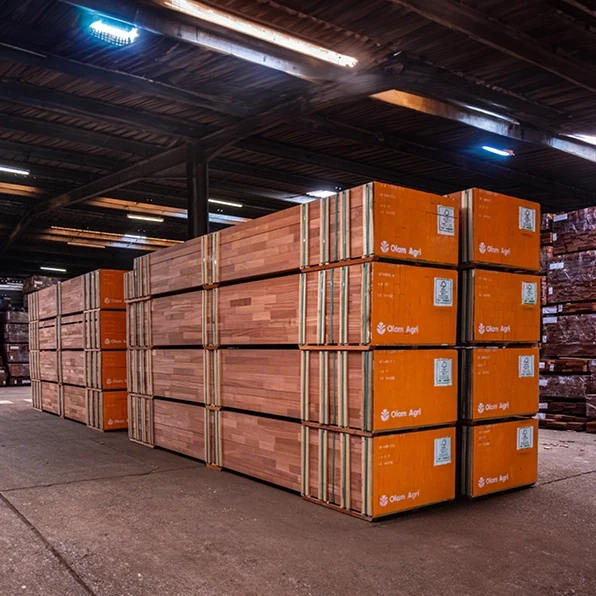
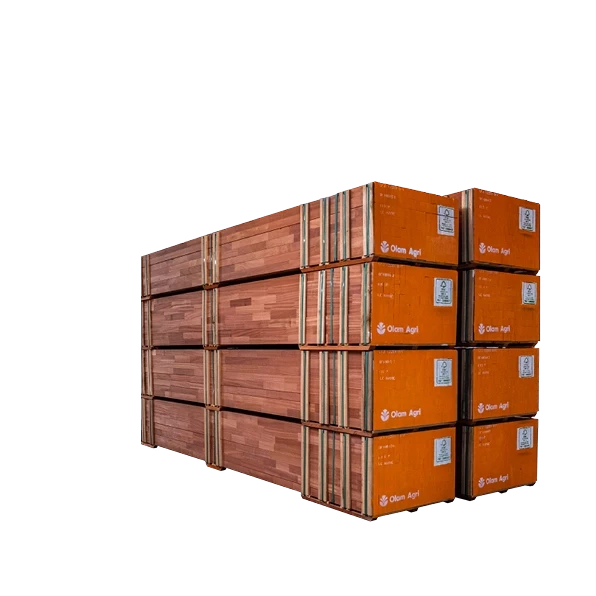
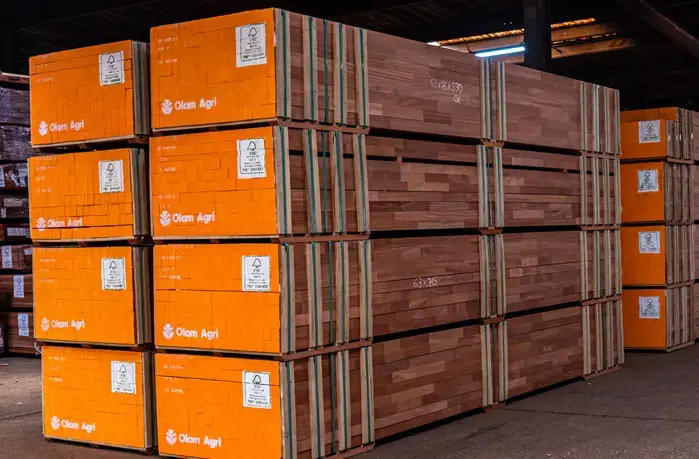
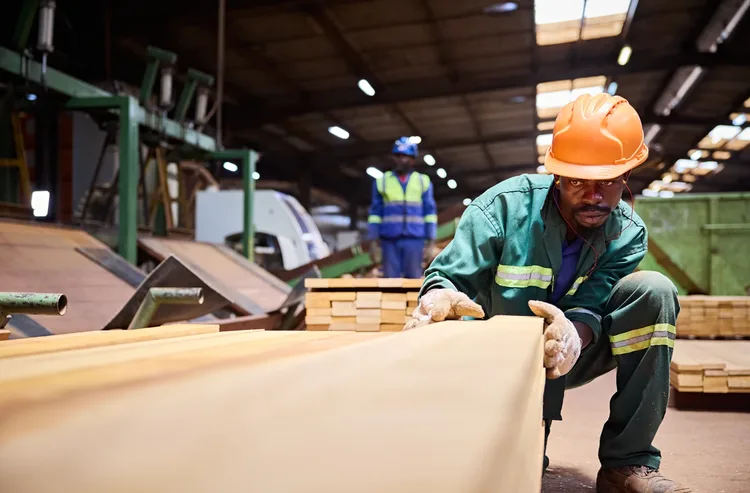
<span class="p2" style = "text-align: left; display:block">Olam Agri supplies a full range of FSC<sup>®</sup> (Forest Stewardship Council) and PEFC certified wood products, from logs and primary transformation products such as boules and sawn timber, through to kiln-dried lumber, scantlings, and finished decking solutions. All products originate from Olam Agri's forest concessions in the Republic of Congo and are processed at its five sawmills. This range enables customers in construction, joinery, and furniture manufacturing source certified tropical hardwood in the specific form their production line requires, instead of buying raw logs and outsourcing processing separately.</span>
<span class="h7" style = "text-align: left; display:block">Is Olam Agri's timber FSC<sup>®</sup> & PEFC certified?</span>
<span class="p2" style = "text-align: left; display:block">Yes. Olam Agri's wood product range is FSC<sup>®</sup> and PEFC certified, sourced from concessions that hold FSC<sup>®</sup> Forest Management certification in the Republic of Congo. These certifications confirm that timber is harvested legally and sustainably, verified through independent, third-party audits of forest management practices. Olam Agri is the longest-standing holder of FSC<sup>®</sup> certification in the Congo Basin. Buyers can verify current certificate status directly on the official FSC<sup>®</sup> website at search.fsc.org and on the official PEFC website at
https://www.pefc.org/find-certified.</span>
<span class="h7" style = "text-align: left; display:block">How does Olam Agri support compliance with the EU Deforestation Regulation (EUDR)?</span>
<span class="p2" style = "text-align: left; display:block">The EU Deforestation Regulation (EUDR) will require companies placing timber on the EU market to prove products are deforestation-free and legally produced, backed by geolocation data down to the plot of harvest. Olam Agri supports this with tree-level traceability across its Congo concessions, giving customers the origin data needed for their own due diligence and risk assessments through its unique and dedicated EUDR portal. The same traceability data also supports compliance with the US Lacey Act and Australia's Illegal Logging Prohibition Act, so exporters selling into multiple regulated markets are not building separate documentation trails for each.</span>
<span class="h7" style = "text-align: left; display:block">Where does Olam Agri source its timber from?</span>
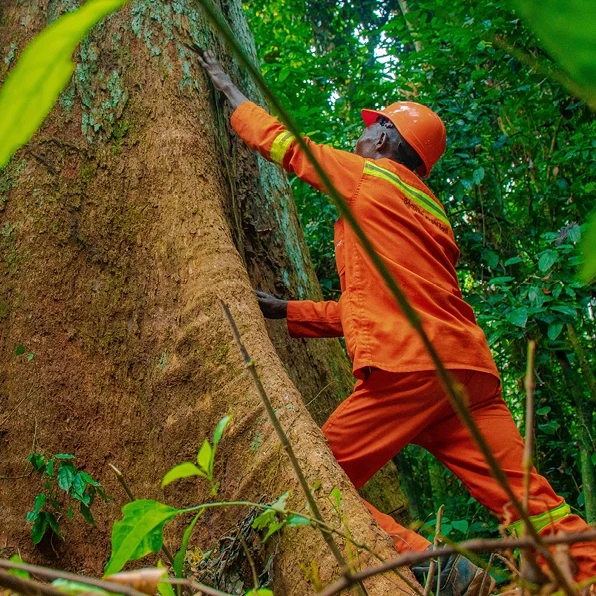
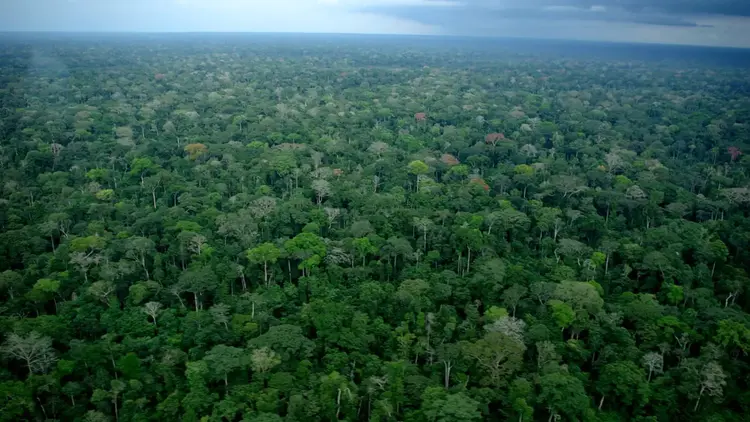
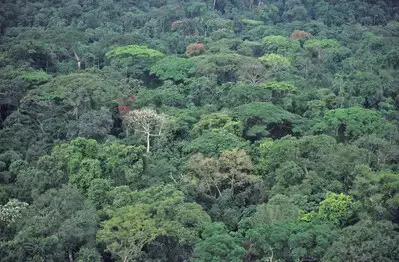
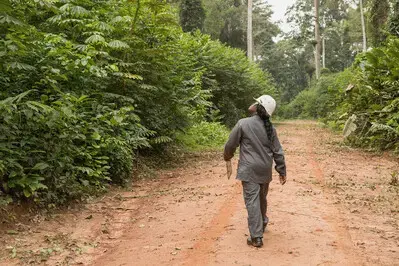
<span class="p2" style = "text-align:left; display:block">Olam Agri sources timber exclusively from its own forest concessions in the north of the Republic of Congo, rather than through third-party trading. This gives the company direct control over harvesting practices, chain-of-custody documentation, and traceability data, from standing tree through to finished product.</span>
<span class="h7" style = "text-align:left; display:block">Does Olam Agri supply kiln-dried lumber?</span>
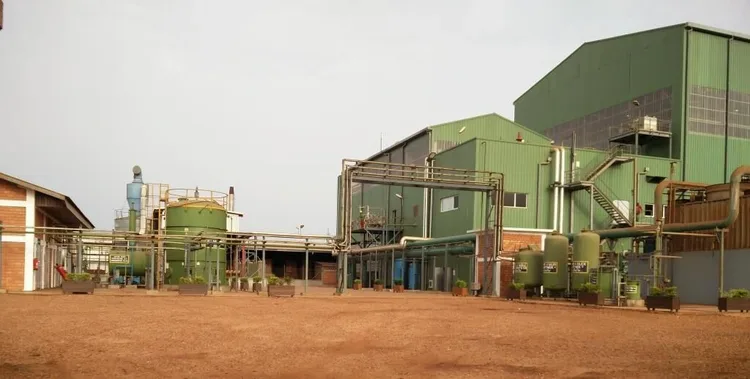
<span class="p2" style = "text-align:left; display:block">Yes. Olam Agri operates Africa's largest industrial kiln-drying facility for tropical timber. Unlike conventional kiln-drying operations that rely on fossil fuels to generate drying steam, our kilns are powered by a wood-waste-fired cogeneration plant. This makes the process both environmentally efficient and independent of fossil fuel supply constraints that can disrupt production. Depending on the customer's application and moisture-content requirements, we supply both kiln-dried lumber and green (undried) sawn timber.</span>
<span class="h7" style = "text-align:left; display:block">What tree species does Olam Agri process into finished wood products?</span>
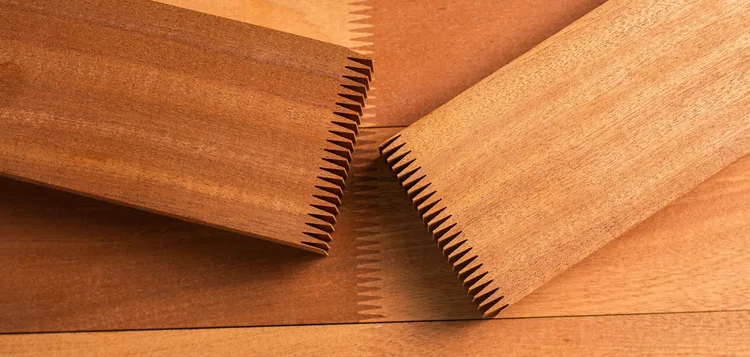
<span class="p2" style = "text-align:left; display:block">Olam Agri's finished-product certifications cover Sapelli, Sipo, and Kossipo, three tropical hardwood species commonly used in joinery, flooring, and furniture manufacturing. Products from these species hold KOMO certification for finger-jointing and CTB-LCA certification, issued in line with French research institute FCBA's standards, for interior and exterior joinery. This gives European buyers documented evidence of quality and compliance, alongside the underlying FSC<sup>®</sup> and PEFC chain-of-custody certification. For an extensive list of the tropical hardwoods produced, contact our team at the bottom of the page.</span>