Signing a Five-Year MoU with Côte d’Ivoire <span class="txt-orange">to Advance Sustainable Agriculture & Ecological Transition</span>
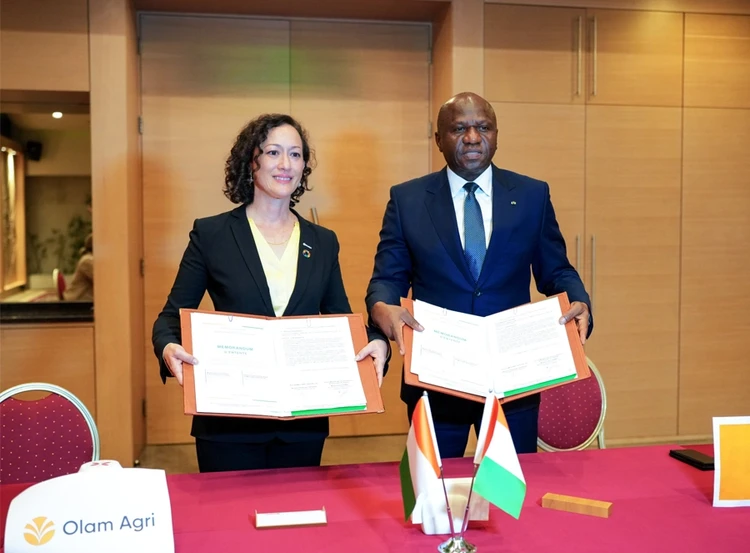
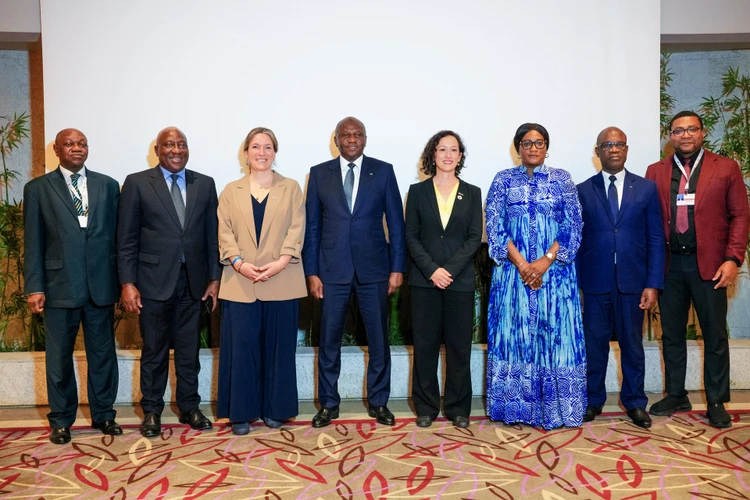
<span class="p2">Abidjan, Côte d’Ivoire – We have signed a five-year Memorandum of Understanding (MoU) with Côte d’Ivoire’s Ministry of Environment, Sustainable Development and Ecological Transition at COP31, strengthening public-private collaboration on sustainable agriculture, environmental protection and climate resilience. The MoU was signed by Julie Greene, our Chief Sustainability Officer, and Abou Bamba, Côte d’Ivoire’s Minister for Environment and Ecological Transition. Aligned with the country’s National Development Plan (PND) 2026–2030, the agreement sets out a framework for cooperation to support Côte d’Ivoire’s ecological transition, promote sustainable agricultural practices and strengthen the resilience of rural communities.
</span>
Advancing Shared Environmental Priorities
<span class="p2">The partnership identifies four areas for potential collaboration:</span>
- <span class="p2">Regenerative agriculture and reforestation: building on our existing initiatives, we will explore ways to scale regenerative practices and support reforestation. These include our regenerative agriculture programme covering 256,000 hectares in cotton-growing areas, support for planting 30,000 hectares of rubber, and our ambition to plant one million trees by 2030.</span>
- <span class="p2">Environmental protection and responsible resource management: we will work together to address challenges including illegal gold mining and waste management, and to adopt improved environmental practices across agricultural and industrial operations.</span>
- <span class="p2">Renewable energy and resource efficiency: we will explore renewable energy adoption, improved energy efficiency, expanded water recycling and more sustainable management of natural resources.</span>
- <span class="p2">Climate finance and rural resilience: the agreement provides a platform to explore climate financing mechanisms that could support environmental initiatives, strengthen agricultural resilience and create opportunities for rural communities.</span>
Strengthening Collaboration for Long-Term Impact