<span class="txt-orange">Restoring Healthy Soils</span> for Greater Food Security
<span class="p1">Soil is the very foundation of agriculture that supports an estimated 95% of our food. And yet, its importance is often overlooked, and its health threatened. By 2050, 90% of the world’s soil will be at risk<sup>1</sup> , threatening the food security of the world’s poorest<sup>2</sup>. The impacts on farmers are evident, as seen in Southeast Asia’s limited yields, South Asia’s soil degradation crisis, and nutrient deficiencies in African soils</span>.
<h5>Regenerative Agriculture Starts with Soil Health</h5>
<span class="p1">Healthy soil is critical to enhancing food security as it is the foundation for the growth of food crops such as wheat, rice, and legumes, as well as other commodities such as cotton, all of which are important to our work at Olam Agri. We are at the core of agricultural trade and recognise that the majority of the world's food production is linked to the condition of our soil. Hence, we consider it as our reponsibility to restore soil condition, a crucial step toward a stable global food supply.</span>
<span class="p1">The theme of "Soil and Water: a source of Life"<sup>3</sup> for World Soil Day 2023 underscores the interconnectedness of natural resources like soil and water. This calls for an integrated approach through regenerative agriculture, that cultivates sustainable soil practices while simultaneously enhancing water availability. Improper management not only poses threats such as soil salinisation, biodiversity loss, and land degradation, but also underscores the urgency of adopting responsible soil and water stewardship practices for a resilient and productive future.</span>
<h5>How We Work with Farmers Around the World<br></h5>
<span class="p1">At Olam Agri, we are advancing regenerative agriculture in our direct supply chains and our own farms through prioritising soil health, achieved through long term collaborations and partnerships to conduct trainings for farmers on regenerative agricultural practices, agroforestry, development of climate-resilient seeds and testing of soil samples. </span>
<span class="p1">Here’s how we are working with farmers around the world to cultivate healthy soils:</span>
1. Minimise Soil Disturbance
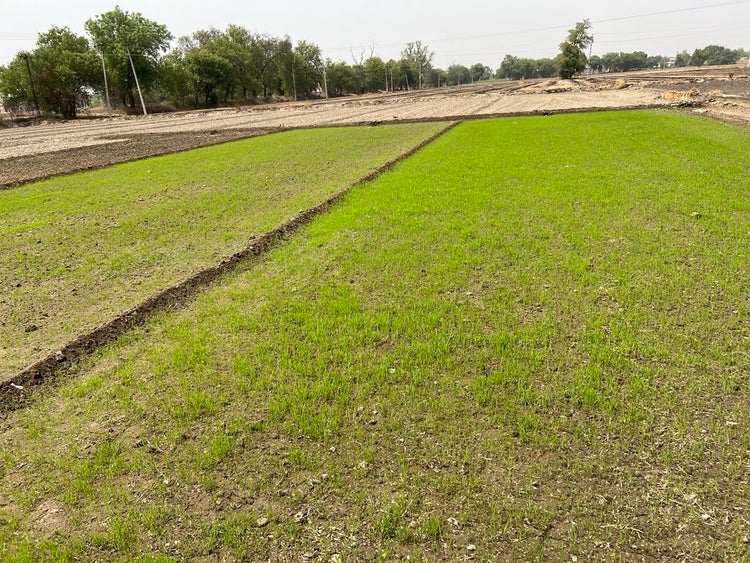
2. Keep Soil Covered
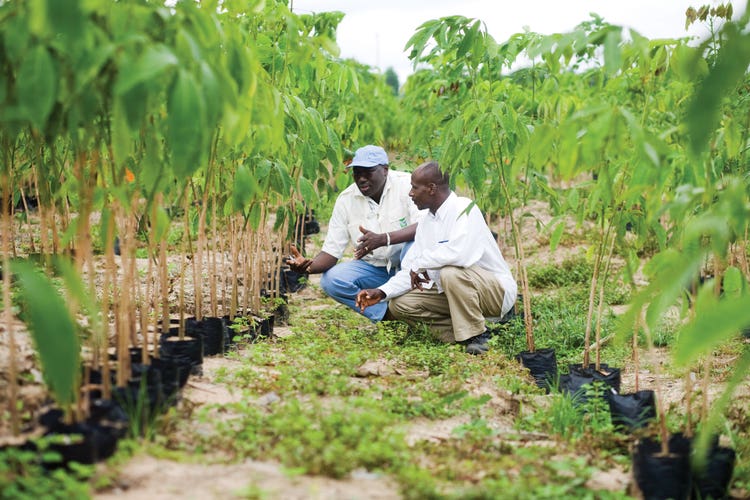
3. Keep Living Roots in the Soil
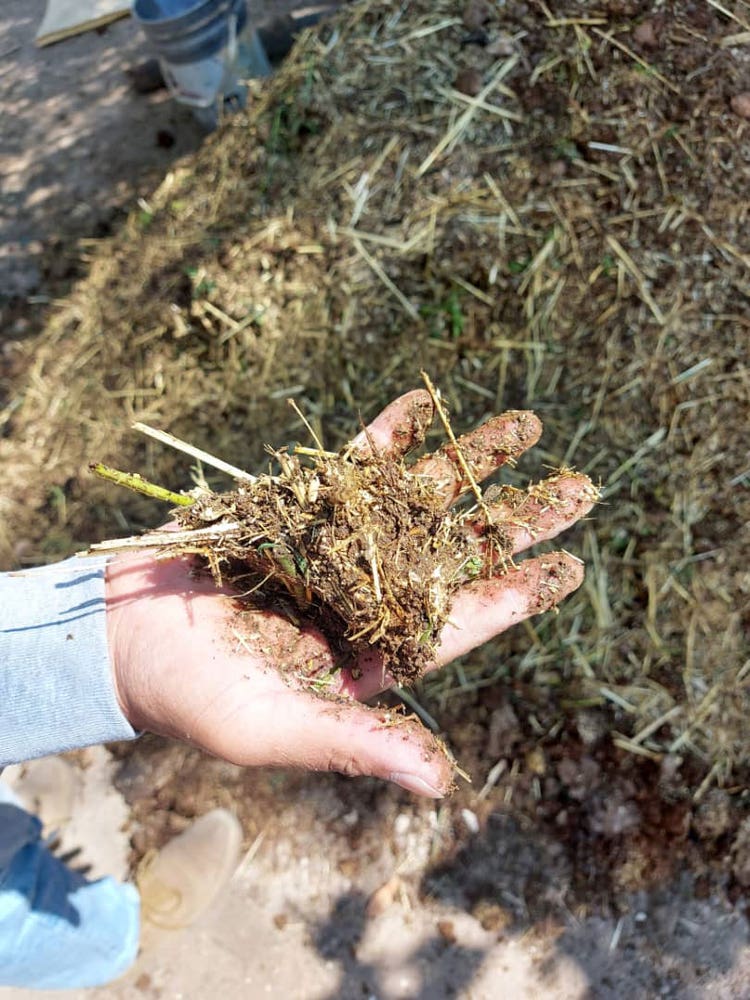
<h5><b>4. Favour Organic Fertiliser Sources</b></h5>
<p style="text-align: left;"><span class="p1">By embracing organic farming practices, more than 2,000 Peruvian quinoa and chia farmers achieved organic certification in 2022<sup>4</sup> . These farmers prioritise organic fertilisers, incorporating natural sources like compost and animal manure to enrich soil nutrients. Just like how human consume probiotics for better gut health, these methods enhance soil health through better nutrient management and microbial diversity.</span></p>
<h5><b>5. Maximise Farm Diversity </b></h5>
<p style="text-align: left;"><span class="p1">This principle encompasses a holistic approach, where a variety of plants, animals, and even fungi are integrated into the farm ecosystem to support and enhance nutrient cycles. In Côte d’Ivoire, farmers have embraced this principle and have adopted the practice of composting across nearly 7,000 hectares of farmland. Through composting, they not only recycle organic matter but also create a thriving ecosystem that supports nutrient-rich soil. </span></p>
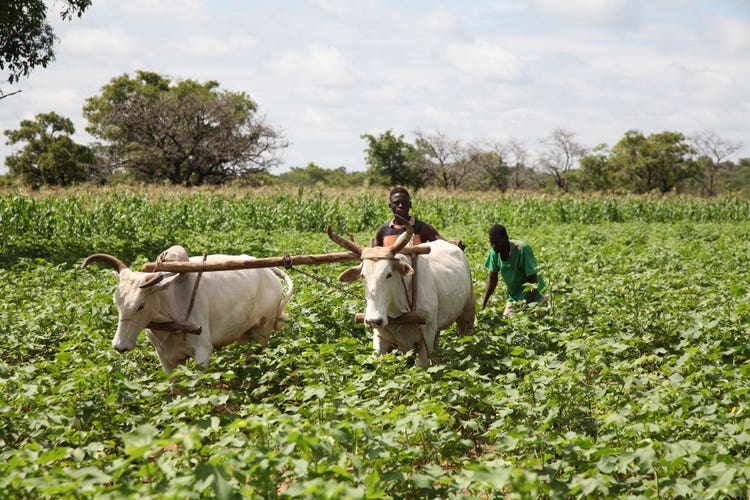
6. Livestock-Crop Synergies
<h5>Beyond the Farm</h5>
<span class="p1">Healthy soils unlock a range of social and environmental benefits, restoring the soil ecosystems that contribute to the conservation of nature and the climate, which are inextricably linked to the future of agriculture. In addition, the increased crop productivity and yields will be beneficial for smallholder farmers in terms of income, creating a positive cycle of prosperity. We're taking active steps toward a regenerative model that aligns with our decarbonisation goals. Collaborating closely with partners and farmers across our value chains, we're driving the implementation and scaling of transformative changes in agriculture.</span>
<span class="p1">Find out more about our other regenerative efforts and our work on <a href="/sustainability/farms-and-communities">Transforming Farming & Communities</a>.</span>
<br>
<span style="text-align: justify; display:block"> <sup>1 </sup>FAO and ITPS (2015) Status of the World’s Soil Resources (SWSR)—Main Report. Food and Agriculture Organization of the United Nations and Intergovernmental Technical Panel on Soils, Rome, Italy. <a href="http://www.fao.org/3/a-i5199e.pdf" target="_blank" rel="noopener noreferrer">http://www.fao.org/3/a-i5199e.pdf</a>.</span>
<span style="text-align: justify; display:block"> <sup>2 </sup>FAO (The Food and Agriculture Organization of the United Nations). The State of the World’s Land and Water Resources for Food and Agriculture (SOLAW)—Managing Systems at Risk; Food and Agriculture Organization of the United Nations: Rome, Italy; Earthscan: London, UK, 2011; Available online: <a href="http://www.fao.org/docrep/017/i1688e/i1688e.pdf" target="_blank" rel="noopener noreferrer">http://www.fao.org/docrep/017/i1688e/i1688e.pdf</a></span>
<span style="text-align: justify; display:block"> <sup>3 </sup><a href="https://www.fao.org/home/en/" target="_blank" rel="noopener noreferrer">FAO</a>, 2023.</span>
<span style="text-align: justify; display:block"> <sup>4 </sup>The organic certifications include BRC “AA”, HACCP, GMP, Gluten Free, Kosher, Halal and SMETA. Additional information on the project.</span>